
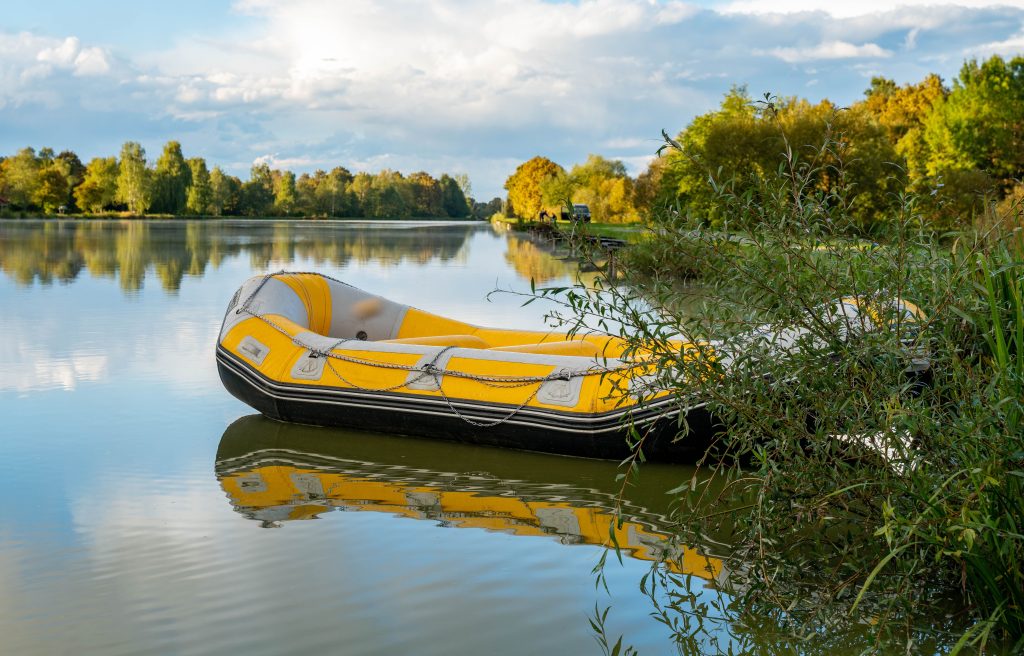
PVC vs. Hypalon vs. Polyurethane: Which Inflatable Dinghy Material Wins?
Choosing the right inflatable dinghy material comes down to one critical decision: the fabric holding it together. PVC, Hypalon, and polyurethane each bring distinct strengths to the water, and picking the wrong one can mean early wear, costly repairs, or a boat that simply doesn’t match your lifestyle.
This guide breaks down how each material performs, where it excels, and which one fits your specific boating needs.
How Inflatable Dinghy Material Actually Works
Every inflatable dinghy relies on a coated fabric rather than solid rubber. A woven polyester or nylon core provides the structural strength, while a chemical coating on both sides seals the air inside and protects against UV rays, saltwater, and abrasion.
The inflatable dinghy material coating determines almost everything: durability, weight, price, repair method, and how the boat handles extreme temperatures. Understanding these coatings makes the difference between a smart purchase and a regretted one.
PVC: The Budget-Friendly Standard
PVC (polyvinyl chloride) dominates the entry-level and mid-range inflatable dinghy material market. Manufacturers favor it because it costs less to produce and welds together easily during manufacturing.
Strengths of PVC
PVC delivers excellent value for casual boaters and seasonal users. It resists punctures reasonably well, welds cleanly at the seams, and keeps overall boat weight manageable for easy transport and storage.
Fresh PVC also looks glossy and vibrant right out of the box, which appeals to buyers who want a boat that looks sharp for the first few seasons.
Weaknesses of PVC
Sunlight remains PVC’s biggest enemy. UV exposure gradually breaks down the plastic, causing it to stiffen, crack, or turn brittle within three to seven years, depending on climate and storage habits.
PVC also softens in extreme heat and stiffens in cold temperatures, making it less reliable for boaters in harsh or fluctuating climates. Saltwater exposure without proper rinsing accelerates this breakdown even further.
Best For
Casual lake users, seasonal boaters, and anyone storing their dinghy indoors or under cover will get the most value from PVC. Budget-conscious buyers also benefit, since PVC boats typically cost 30-50% less than Hypalon equivalents.
Hypalon: The Marine Industry’s Gold Standard
As an inflatable dinghy material, Hypalon earned its reputation among military, commercial, and offshore boaters for one simple reason: it lasts. Originally developed by DuPont, this synthetic rubber remains the benchmark against which every other coating gets measured.
Strengths of Hypalon
UV resistance sets Hypalon apart from every competitor. This material can survive 10-15 years of direct sun exposure without significant degradation, making it the top choice for tropical climates and boats stored outdoors year-round.
Hypalon also resists oil, fuel, and chemical spills far better than PVC, which matters for anyone running an outboard engine or storing fuel canisters nearby. The fabric stays flexible across a wider temperature range, performing reliably from freezing conditions to intense heat.
Weaknesses of Hypalon
The price tag reflects its durability. Hypalon boats typically cost significantly more than PVC models, sometimes double or triple the price for comparable sizes.
Hypalon seams also require glued construction rather than heat-welding, since the material doesn’t melt and fuse the way PVC does. Skilled manual labor drives up manufacturing costs, and this same characteristic makes DIY repairs slightly more involved.
Best For
Serious offshore sailors, charter operators, military and commercial users, and anyone keeping their boat outdoors in sunny or tropical regions should prioritize Hypalon. The higher upfront cost pays off through a dramatically longer usable lifespan.
Polyurethane: The Modern Challenger
Polyurethane (PU) represents the newest major inflatable dinghy material in boat construction, gaining popularity particularly in high-performance and premium recreational boats.
Strengths of Polyurethane
Polyurethane offers superior abrasion resistance compared to both PVC and Hypalon, standing up well to rocky beach landings, dragging, and rough handling. It also maintains a lighter weight profile, which appeals to boaters prioritizing portability and fuel efficiency.
Modern PU formulations resist UV degradation impressively well, closing much of the gap that once separated PVC from Hypalon. Many premium RIB (rigid inflatable boat) manufacturers now choose PU specifically for its combination of toughness and reduced weight.
Weaknesses of Polyurethane
Cost sits at the premium end, often matching or exceeding Hypalon pricing. Repair options also remain more limited, since fewer repair shops stock PU-specific adhesives and patches compared to the widely available PVC and Hypalon repair kits.
Quality varies significantly between manufacturers, so researching the specific PU formulation matters more than with the other two materials.
Best For
Active users who frequently beach their dinghy on rocky shorelines or prioritize lightweight handling will appreciate what polyurethane brings to the table. Adventure-focused boaters willing to pay a premium for reduced weight and superior abrasion resistance get the most value here.
Inflatable Dinghy Material Comparison Chart
This side-by-side breakdown makes choosing the right inflatable dinghy material much easier.
| Feature | PVC | Hypalon | Polyurethane |
|---|---|---|---|
| UV Resistance | Moderate | Excellent | Very Good |
| Lifespan | 3-7 years | 10-15+ years | 8-12 years |
| Weight | Lightest | Heaviest | Light to Moderate |
| Abrasion Resistance | Good | Very Good | Excellent |
| Cost | Budget-Friendly | Premium | Premium |
| Repair Availability | Widely Available | Widely Available | Limited |
| Seam Construction | Heat-Welded | Glued | Heat-Welded or Glued |
| Chemical/Fuel Resistance | Fair | Excellent | Good |
| Best Climate | Moderate, indoor storage | Tropical, outdoor storage | Variable, active use |
Making the Right Choice for Your Boating Style
Selecting the right inflatable dinghy material depends heavily on how and where you boat. Weekend boaters heading to a calm lake a few times a season rarely need Hypalon’s premium durability, and PVC delivers reliable performance at a fraction of the cost, especially with proper storage habits like using a cover and rinsing after saltwater use.
Offshore adventurers, liveaboard sailors, and anyone leaving their dinghy inflated and exposed to constant sun should invest in Hypalon. The higher price tag translates directly into a boat that survives a decade or more without major fabric failure.
Active users who frequently beach their dinghy on rocky shorelines or prioritize lightweight handling will appreciate what polyurethane brings to the table. Its abrasion resistance and reduced weight make it ideal for adventure-focused boaters willing to pay a premium.
Maintenance Tips That Extend Any Material’s Life
Regardless of which fabric you choose, a few habits dramatically extend your dinghy’s usable years:
- Rinse the boat with fresh water after every saltwater trip
- Store the boat away from direct sunlight when not in use
- Apply a UV protectant spray designed for inflatable boats every few months
- Avoid dragging the hull across rough or sharp surfaces
- Deflate slightly for long-term storage to reduce material stress
Final Verdict: Choosing the Best Inflatable Dinghy Material
No single material “wins” outright, since the best choice depends entirely on your usage pattern, climate, and budget. PVC wins on affordability and accessibility, Hypalon wins on longevity and UV resistance, and polyurethane wins on abrasion resistance and weight savings.
Match your inflatable dinghy material to how and where you actually boat, and your dinghy will reward you with years of dependable performance on the water.