
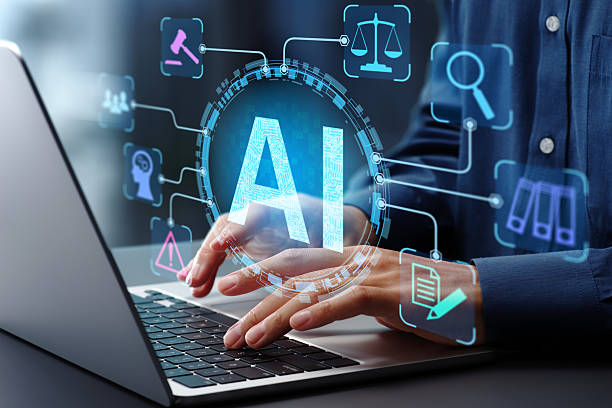
1. Fundamentals of AI
Introduction to Artificial Intelligence and Its Origins * Explores the basic definition of making machines smart, how the concept started, and the journey from early computer science to modern smart machines.
Understanding the Core Pillars: AI, Machine Learning, and Deep Learning * Breaks down the technology layers: AI is the broad concept, Machine Learning (ML) is systems learning from data, and Deep Learning uses multi-layered networks modeled after the human brain.
How AI Processes Data: Algorithms and Neural Networks * Explains the mechanics of how AI functions—how it ingests massive datasets, uses mathematical formulas (algorithms) to spot patterns, and processes information through artificial neural networks.
The Evolution of AI: From Narrow AI to General Intelligence * Compares “Narrow AI” (systems built for a single task like Google Maps or chess) with the ongoing development toward “Artificial General Intelligence” (AGI—machines capable of human-level reasoning across any task).
2. Practical Applications & Tools
Generative AI: Transforming Text, Images, and Video Creation * Covers creative systems that generate entirely new content from scratch, including advanced text generators (like ChatGPT and Claude), art generators (Midjourney), and video creation models.
The Power of Prompt Engineering: Communicating Effectively with AI * Focuses on the skill of structuring instructions (prompts) cleanly so that AI systems produce the exact, high-quality answers or assets a user needs.
AI Tools for Everyday Productivity and Workflow Automation * Looks at practical tools used to automate repetitive daily tasks, summarizing long documents, scheduling meetings, cleaning inbox emails, and building personal workflows.
How Businesses Leverage AI for Growth and Data Analytics * Explains how modern companies use smart systems to analyze customer behavior, predict market trends, manage inventory, and handle automated customer support via smart chatbots.
3. Industry Transformations
AI in Healthcare: Revolutionizing Diagnostics and Patient Care * Details how smart software analyzes medical scans (X-rays, MRIs) to spot diseases early, accelerates new drug discovery, and assists doctors with robotic surgery tools.
AI in Finance: Automated Trading, Risk Assessment, and Fraud Detection * Covers how banks and financial firms use fast algorithms to catch credit card scams instantly, evaluate loan risks, and manage stock market trading portfolios automatically.
AI in Education: Personalized Learning and Intelligent Tutoring Systems * Looks at how education platforms adapt their speed and difficulty based on individual student performance, offering customized homework help and virtual teaching assistants.
Autonomous Systems: The Technology Behind Self-Driving Vehicles * Explains the engineering driving self-driving cars, delivery drones, and automated warehouse robots that use sensors and cameras to navigate physical environments safely.
4. Future, Ethics & Impact
The Future of Work: How AI is Changing the Job Market * Analyzes the economic shift—which routine jobs are shrinking, how entirely new career paths are opening up, and why professionals must master AI to remain competitive.
Ethical AI: Addressing Bias, Data Privacy, and Security Risks * Addresses the dark side of tech: how algorithms can inherit human prejudices from faulty data, how user personal info is handled, and the risk of deepfakes and misinformation.
The Rise of Autonomous Agents and Smart Automation * Explores the next wave of tech where AI systems don’t just answer questions, but independently plan and complete complex, multi-step tasks across different software without human intervention.
Global Regulations and Policies Safeguarding AI Development * Reviews how governments worldwide are creating laws, copyright frameworks, and safety guidelines to ensure developers build safe, transparent, and trustworthy tech systems.
1. Introduction & Types
- Definition of AI: Artificial Intelligence is a branch of computer science that builds smart machines capable of performing tasks that typically require human intelligence, such as learning, reasoning, and problem-solving.
- Weak AI (Narrow AI): These are systems trained to do one specific job perfectly. Examples include Google Maps, Apple’s Siri, or Netflix recommendations. They don’t actually “think.”
- Strong AI (General AI): A theoretical type of AI that possesses human-like intelligence, allowing it to learn, adapt, and apply knowledge across entirely different industries or tasks.
2. Key Applications
- Healthcare: AI algorithms analyze X-rays and MRI scans to detect diseases like cancer much earlier than human eyes. It also helps scientists design new lifesaving medicines in weeks instead of years.
- Finance: Banks use AI to scan millions of transactions per second to spot credit card fraud instantly. It also powers automated trading bots on Wall Street.
- Smart Automation: This includes self-driving cars, warehouse robots that pack orders, and smart home devices that learn your daily schedule.
3. Ethical Challenges
- Job Displacement: As AI automates repetitive tasks—like customer service, data entry, or manufacturing—many workers face job losses and must learn entirely new skills.
- Data Privacy Risks: AI thrives on massive amounts of data. This creates constant risks regarding how companies collect, store, and sometimes misuse your personal information without permission.
- Algorithmic Bias: If an AI is trained on biased human data, it will make biased decisions. This is a massive issue in automated hiring tools or criminal justice software.
4. Future Outlook Artificial
- Human-AI Collaboration: The future isn’t about AI replacing humans entirely; it’s about collaboration. AI handles the heavy data processing, while humans focus on creativity, empathy, and strategic choices.
- Global Regulation: Governments worldwide are drafting strict rules to ensure AI systems remain safe, transparent, and ethically sound.
Proudly powered by WordPress